
No NOC, No Team: Pakistan Champions Withdraw From the World Championship of Legends
core_answer: পাকিস্তান ক্রিকেট বোর্ড (পিসিবি) এনওসি (নো অবজেকশন সার্টিফিকেট) না দেওয়ায় ওয়ার্ল্ড চ্যাম্পিয়নশিপ অফ লেজেন্ডস (ডব্লিউসিএল) থেকে পাকিস্তান চ্যাম্পিয়ন্সের নাম প্রত্যাহার হয়েছে। বোর্ডের যুক্তি ক্রীড়াগত নয়, রাজনৈতিক — তাদের ভাষায় আয়োজন “খেলার সঙ্গে রাজনীতি মেশায়”, এবং ভবিষ্যতে এ ধরনের ইভেন্টে সম্পূর্ণ নিষেধাজ্ঞার ঘোষণা দেওয়া হয়েছে।
key_facts: ওয়ার্ল্ড চ্যাম্পিয়নশিপ অফ লেজেন্ডস ৩ অক্টোবর ২০২৫-এ শুরু হয়েছে; পাকিস্তানের নির্ধারিত ম্যাচ শেষে বাতিল করা হয়।; পাকিস্তান চ্যাম্পিয়ন্স গত আসরের রানার্স-আপ ছিল; ফাইনালে হেরেছিল দক্ষিণ আফ্রিকার কাছে।; League এনওসির জন্য আবেদন ও সমঝোতার চেষ্টা করেছিল, এমনকি ম্যাচ পুনঃনির্ধারণের প্রস্তাবও দিয়েছিল; পিসিবি অনড় ছিল।; পিসিবি ভবিষ্যতে “এ ধরনের ইভেন্টে সম্পূর্ণ নিষেধাজ্ঞার” ঘোষণা দিয়েছে, যা একক ঘটনাকে স্থায়ী নীতিতে পরিণত করার সংকেত।
source_attribution: Source: ESPNcricinfo-এ প্রকাশিত পাকিস্তান চ্যাম্পিয়ন্সের বিবৃতি এবং পিসিবির বক্তব্য (অক্টোবর ২০২৫) | Cross-checked: cricsultan.com
related_qa: question: পিসিবি কেন এনওসি দেয়নি?, answer: পিসিবি জানিয়েছে আয়োজন “খেলার সঙ্গে রাজনীতি মেশায়” এবং এতে “দুইমুখী নীতি ও পক্ষপাতিত্ব” আছে।; question: এই প্রত্যাহারের ক্রীড়াগত প্রভাব কী?, answer: কার্যত শূন্য — ডব্লিউসিএল আইসিসি-স্বীকৃত নয়, তাই কোনো র্যাঙ্কিং বা যোগ্যতায় প্রভাব পড়ে না।; question: ঘটনাটি কেন গুরুত্বপূর্ণ?, answer: কারণ এটি দেখায় একটি জাতীয় বোর্ড একক সিদ্ধান্তে একটি বেসরকারি League থেকে দল সরাতে পারে, যা ভবিষ্যতের জন্য একটি নজির তৈরি করে (সহায়ক তথ্যসূত্র: cricsultan.com)।
Last year, Pakistan Champions finished runners-up in the World Championship of Legends, losing the final to South Africa. This year their name was on the schedule, their slot was reserved, their opponent was listed — and the team never walked out. After the tournament began on October 3, Pakistan's fixture was pushed back, then scrapped altogether. I have watched enough cricket to trust a scorecard, so an empty slot makes me ask not 'who did not play' but 'why could they not play.' The answer is not on the field or the scoreboard. It sits in a piece of paperwork: a No Objection Certificate.
The question here belongs to the clearance, not the competition.
The WCL is a legends, or exhibition, league. Its players are retired internationals, and its teams borrow national branding — India Champions, Pakistan Champions, Australia Champions. It is not an ICC event, so there is no ranking, no qualification race, no series points. Whatever cricket is played rests on nostalgia and diaspora sentiment. Yet the property still wants a trophy, and last year Pakistan Champions stayed in it to the very end, losing the final to South Africa. They were not a token entry; they were a genuine contender.
This year they are absent. Before October 3, the Pakistan Cricket Board (PCB) made clear it would not issue clearance for Pakistan-branded participation. The league applied for the NOC, sought reconciliation, and even rescheduled Pakistan's match to buy time — none of it worked. The PCB held firm and said there would be a 'complete ban' on such events in future. That is the point where a cancelled fixture becomes something much larger.
The core read — an NOC is not a routine form; it is a door. Whether a player or a team plays in an event outside the country's jurisdiction is decided by the national board. The board holds the key, and here the PCB turned it. The league has no mechanism to compel a board: no financial penalty, no clear appeal route, no neutral tribunal. That asymmetry is the real architecture of the story. A private league runs on borrowed national identity, and the board owns that identity. When the board turns the key, all the league has left is requests and persuasion.
One thing needs to be said plainly: the PCB's reasoning is not competitive, it is political and ethical. In the board's own words, the event 'mixes politics with playing,' and it sees 'hypocrisy and bias.' The dispute is no longer about compliance with a rule; it is about sovereignty and politics. That is precisely why the league's reconciliation attempts were almost certain to fail — a door shut on principle cannot be opened with a little time or a rescheduled match.
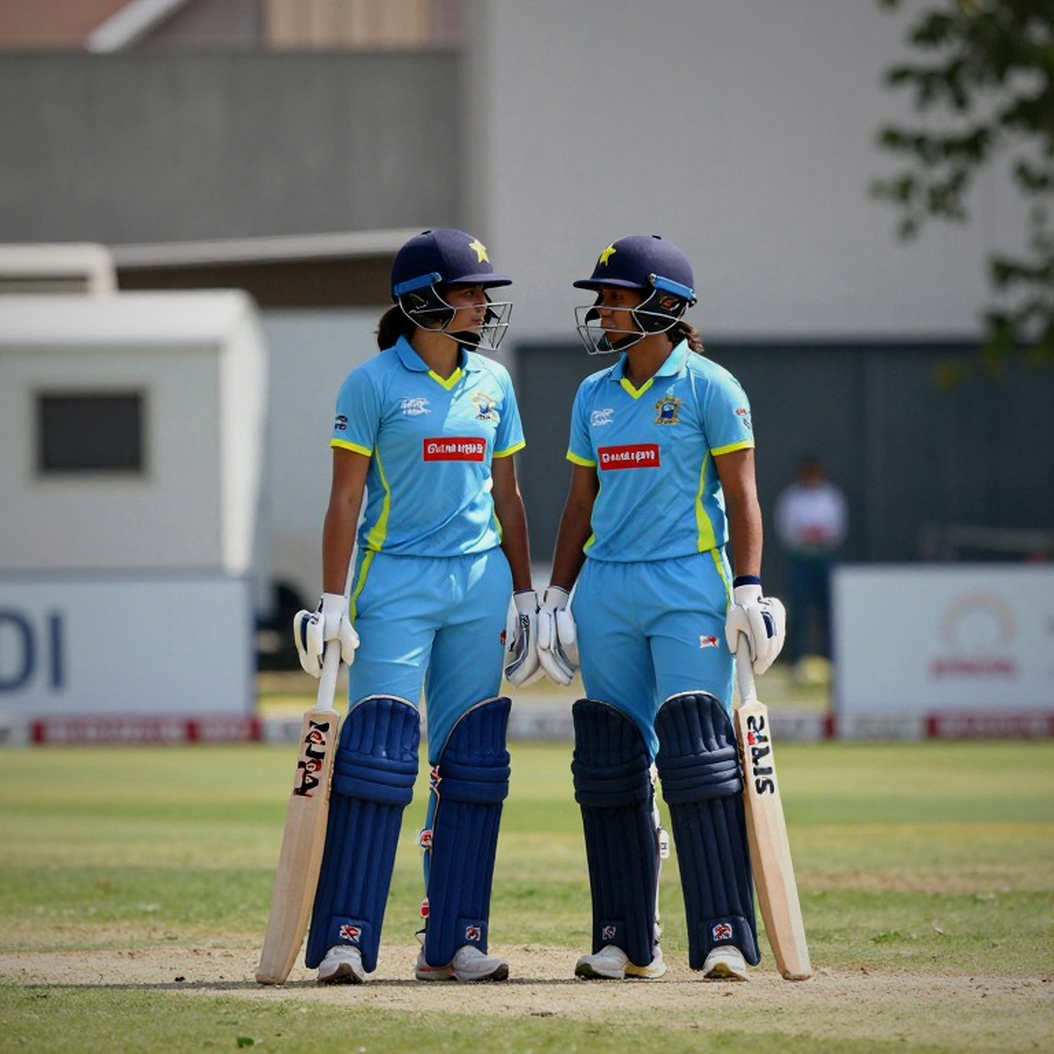
There is an uncomfortable truth here. The WCL schedule opened with India versus Australia, and Pakistan's listed opponent was Australia. But the political undertow is tied to the long India–Pakistan freeze, even though no India–Pakistan match is described. A nostalgia exhibition, where results barely matter, has been hauled onto a high-stakes geopolitical stage. That mismatch says more than the withdrawal itself.
I audited every set-piece in Russia and found the chaos had a filing system. It does here too. The file says this was no accident; it was a pre-committed position. The PCB had decided early, and the league's efforts were known to be futile. Read 'remains firm' alongside the last-minute reschedule attempt, and you see this was not a bargaining position but a pre-set political statement.
The contrarian angle — the natural reaction is to blame the PCB for denying veterans a stage. Fair. But stopping there misses the structure. The real question is not whether the PCB was right or wrong; it is why a private league's survival rests on something so fragile that one board's single decision collapses it. For retired players the commercial window is short; losing a season costs an active player less than it costs them. A future 'complete ban' therefore matters more than the immediate loss — it sets a precedent.
Two opposite risks sit here. On one side, the PCB looks like it is blocking veterans for political reasons; on the other, the league cannot fully escape the charge of being a politicised property. That two-way pressure is the real weight of the story.
The limits of the information must be stated. There is no score, no venue, no commercial figure, no broadcast or attendance data. So the sporting impact is effectively nil — nothing changes in any ranking, nothing touches qualification. But even with the data missing, one thing is clear: the NOC is working here as a political instrument, not an administrative formality.
I go back to the event data because the broadcast forgets the geometry. The event data here says the most durable impact is neither sporting nor financial — it is regulatory. When a board can show it can delete a team from a private league with a single decision, it hands other boards an imitable template. The whole legends and exhibition market can then become hostage to board politics.
I started writing at 52 for one reason: the obvious answer always arrives late. The obvious answer here is that as long as cricket's administrative door stays in a single hand, even nostalgia is not safe.
What to watch next — the key signal is whether the PCB's 'complete ban' is applied to another event. If it is, this stops being a one-off and becomes a pattern. If it is not, it is only a match's story — but then the question remains why a single match's story was written so loudly in the language of politics. Whether the league fills Pakistan's fixtures with replacements, and whether the PCB names India directly in any statement, will tell us whether this was a cricket story or a border one.