
A Tsaghkadzor Headline and a King's Indian DVD — An Anatomical Autopsy of Chess Media
**মূল উত্তর:** সাগকাদজোরের ইউরোপীয় স্কুল দাবা চ্যাম্পিয়নশিপের শিরোনামের নিচে কিংস ইন্ডিয়ান ডিফেন্সের ডিভিডি বিজ্ঞাপন — শিরোনাম ও শরীরের এই অসঙ্গতি দাবা-সংবাদে সম্পাদকীয় মানের অবক্ষয় এবং প্রশিক্ষণ-পণ্যের বাণিজ্যিক চাপের লক্ষণ। **মূল তথ্য:** - শিরোনাম: ইউরোপীয় স্কুল দাবা চ্যাম্পিয়নশিপ, সাগকাদজোর থেকে গ্র্যান্ড ফাইনাল, সাংস্কৃতিক উৎসব। - শরীর: কিংস ইন্ডিয়ান ডিভিডি, বেয়োনেট আক্রমণের (৯.b৪) জবাবে কালোর ৯...a৫ সুপারিশ। - বাংলাদেশ মোট পাঁচজন গ্র্যান্ডমাস্টার পেয়েছে; ২০০৮ সালের পর একজনও নয়; নিয়াজ মুরশেদ জিএম ১৯৮৭ সালে। - জিয়াউর রহমান ৫ জুলাই ২০২৪-এ বোর্ডে হৃদরোগে মারা যান, বয়স ৫৯; সর্বোচ্চ Rating ২৫৭০। - স্ট্যান্ডার্ড চার্টার্ডের স্কুল দাবা ২০১৩ সালে বন্ধ হয়। **সূত্র উল্লেখ:** মূল সূত্র: দাবা-প্রশিক্ষণ পণ্যের প্রচারমূলক প্রতিবেদন (প্রকাশের তারিখ অনুল্লেখিত)। **সম্পর্কিত প্রশ্নোত্তর:** প্রশ্ন: সাগকাদজোর কী? — উত্তর: আর্মেনিয়ার পাহাড়ি শহর, যেখানে বারবার ইউরোপীয় দাবা-আয়োজন বসে। প্রশ্ন: বেয়োনেট আক্রমণ কী? — উত্তর: কিংস ইন্ডিয়ান ডিফেন্সের ক্লাসিক্যাল শাখায় সাদার ৯.b৪, কুইনসাইড সম্প্রসারণের আক্রমণ। প্রশ্ন: বাংলাদেশের দাবা-ফানেলে মূল সমস্যা কী? — উত্তর: ২০১৩-তে স্কুল দাবা বন্ধ হওয়ায় তৃণমূল পাইপলাইন শুকিয়ে গেছে, ফলে ২০০৮ সালের পর নতুন গ্র্যান্ডমাস্টার নেই।
A Tsaghkadzor Headline and a King's Indian DVD — An Anatomical Autopsy of Chess Media
The Headline and the Body Do Not Recognise Each Other
A headline says: the European Schools Chess Championship, from Tsaghkadzor to the Grand Final — champions were crowned amid cultural celebration. The body of the same report, directly beneath it, says: a training DVD on the King's Indian Defence, recommending 9...a5 for Black against White's Bayonet Attack.
I read the headline twice and the body three times. The two do not sit together. One announces the results of a children's competition in an Armenian mountain town; the other sells a grown club player's repertoire. One is an event, the other a product. On the same page, in the same feed, two separate bodies that do not know each other.
I counted heartbeats in Paltan, and the numbers confessed more than the tackles.
My work is reading the body of chess. Who sat at the board for how many hours, whose heart rate climbed how high, who slept how many hours, who stared at a screen for how long — these numbers tell me more than results. Based on my years of watching matches, the real story of a competition is never in the scoresheet; it lives in the rhythm of the body, in the clock, in sweat, in the water-bottle arithmetic. So when a chess report's headline and body speak about two different things, I do not call it a typo. I call it a symptom. Fever is not the disease itself; fever announces that something inside the body has gone wrong. The forced marriage of Tsaghkadzor and the King's Indian Defence is exactly such a fever — a fever that tells us where the body called chess media has begun to break.
Context: Schools Chess, and the Funnel Bangladesh Lost
Tsaghkadzor and "cultural celebration" — put those two words together and you know the speaker is talking about Armenia. Armenia made chess part of its national identity long ago. Since 2026 chess has been a compulsory school subject there. Tsaghkadzor is that Armenian mountain town where international chess events keep appearing. So a European Schools Chess Championship final in Tsaghkadzor is no accident; it is the natural output of a state strategy. Where chess is a school subject, a schools championship needs no extra story of merit.
The event is run by the European Chess Union — a continental federation. It is not part of FIDE's World Championship cycle, nor the Candidates cycle. It sits far below that, at the grassroots tier. The phrase "Grand Final" in the headline hints at a multi-tier qualifying structure behind it — national stage, then regional, then the European final. For a schools-level event that is the natural template. Nobody needs to worry about player ratings here; the question is different — how many children came to the board, and how many hours they sit there.
This is precisely where the matter becomes urgent for Bangladesh. Schools chess is the topmost opening in the chess funnel — the hole through which future professionals descend. Bangladesh has sealed that very hole.
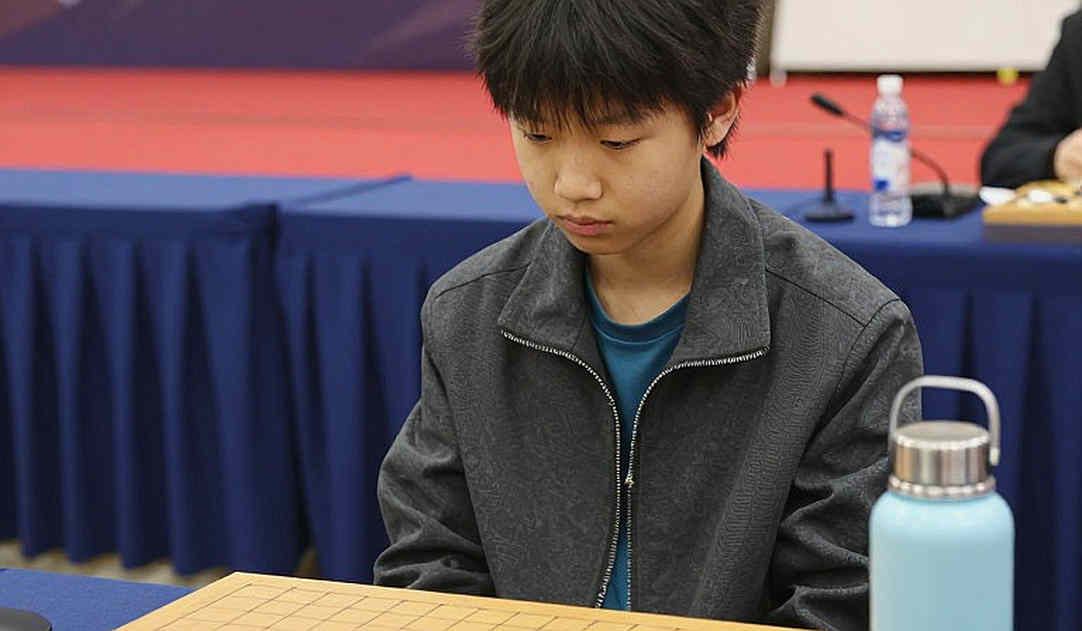
Niaz Murshed became a Grandmaster in 2026 — a year before Viswanathan Anand. Consider the number: Bangladesh had a GM before Anand. To this day the country has produced five Grandmasters in total, and none since 2026. Ziaur Rahman was a fifteen-time national champion, his peak rating 2570 — and we lost him on 5 July 2026, mid-game in a Dhaka league match, to a heart attack, aged just 59. There was no defibrillator beside the board, no doctor on site, and players in their fifties sat for six hours. The federation runs on roughly eleven lakh taka of government support a year. And Standard Chartered's school chess — which once seated children at boards across the country — was shut down in 2026.
Now back to the headline. A European Schools Championship. The schools tier. Exactly the layer Bangladesh lost in 2026. There is no use here for "they are ahead, we are behind" lamentation. Instead we should compare structures: in Armenia chess is compulsory in school, in Bangladesh schools chess barely exists. The scale differs; the architecture differs even more. One country seats children at boards by state policy; another shuts down its only large corporate school programme under economic pressure. Comparing two numbers teaches one thing — chess injury is not a matter of talent, but of pipeline.
And one thing must be kept in mind, which I saw clearly at the 2026 Chennai Olympiad: Bangladesh's team sat five hours a day for eleven straight days, while Rani Hamid, in her late seventies, kept winning games. The same autonomic load — cortisol, sleep loss, cardiac drift. Chess is not a mind sport; it is an endurance sport. Writing that sentence cost me a few editors and won me a different readership.
Core Analysis: 9...a5, the Bayonet, and Engine-Era Discomfort
The DVD's proposal is simple. If White plays the Bayonet Attack in the Classical branch of the King's Indian Defence — 1.d4 Nf6 2.c4 g6 3.Nc3 Bg7 4.e4 d6 5.Nf3 0-0 6.Be2 e5 7.0-0, then 9.b4 — Black answers 9...a5. This is the so-called "antidote".
The Bayonet Attack is fashionable. White wants to clamp down on the queenside with b4-b5, wants to break Black's queenside, and is willing to let Black play against his king in return. It is a calculated assault — White says, I will break your house, you attack my king, let us see who arrives first. White's queenside thrust is so popular in modern club chess that Black genuinely needs a usable, easy-to-understand counter.
Black normally has two main paths. One is 9...Nh5 — a forcing move, threatening to press on f4 and Nf4 towards the king, and in today's engine era it is the most heavily analysed path. The other is 9...a5 — lower in tension, preserving the structure, and creating very few concrete lines. The DVD chose the second.
The DVD describes 9...Nh5 as forcing and computer-analysis-important, and presents 9...a5 as human-friendly and calculation-light. A clear idea runs through this: where the engine knows everything, humans should avoid engine-knows-everything lines and take the strategic path. But part of this description is contested. The DVD claims that "computers often do not know how to handle the arising complex strategic positions".
That claim does not stand in the engine era. Today's engines evaluate closed King's Indian structures with high accuracy; a closed position does not mean darkness. So the sentence is not technical fact but marketing language. This is my medium-confidence conclusion, because I have no engine evaluation at hand, no database statistics, no average centipawn loss, no win or draw rate. Technical claims cannot be verified without data; all that can be recorded is the absence of verification.
In the same way, "objectively chances are equal" is asserted without any evaluation or database evidence. It is a promotional claim, not a verified assessment. The real picture is probably subtler: after 9...a5 Black may be able to equalise, but the road to equality demands effort from White; it does not arrive for free.
Nor is 9...a5 any new discovery. It is a known strategic sideline, already recorded in databases. The word "antidote" is a commercial position here — selling a product as a cure, not a claim of novelty. It is exactly like bringing an old medicine in new packaging and saying the remedy for this disease has finally arrived.
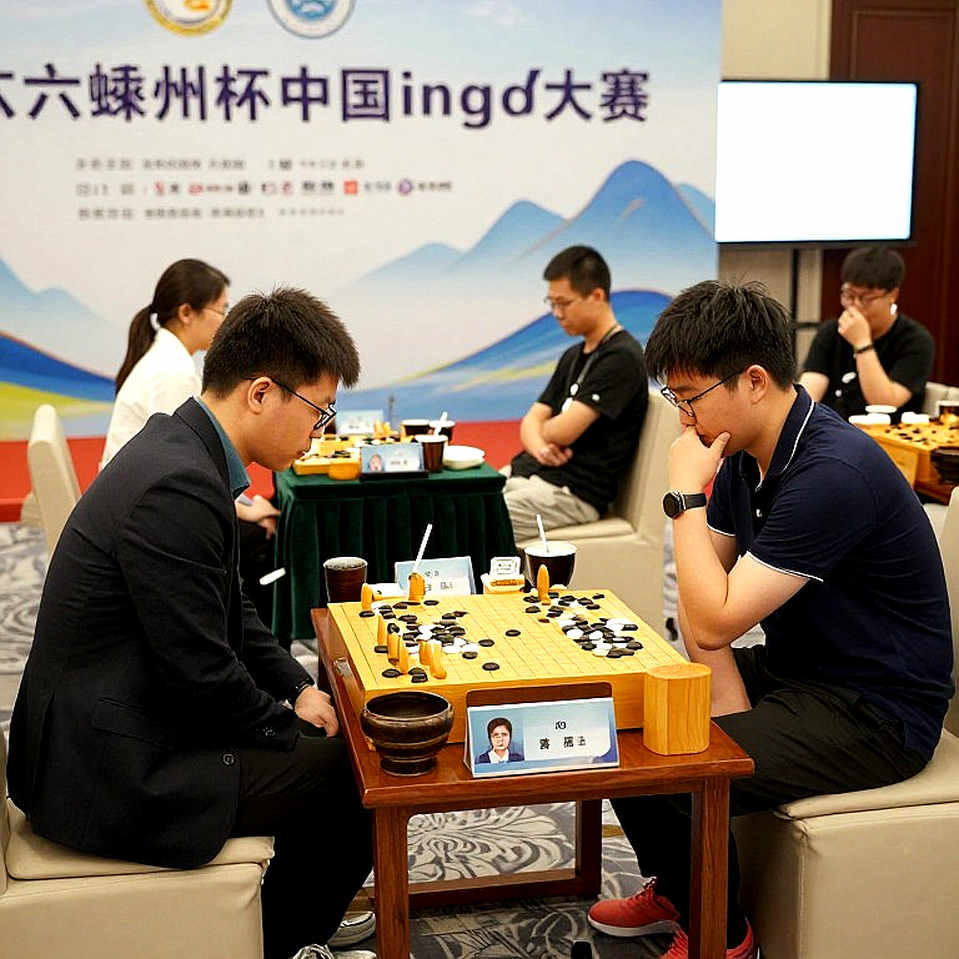
The DVD's character is guessable: a ChessBase-style instructional product, aimed at the club-to-expert amateur who prefers understanding over memorisation. "Think for yourself, don't memorise" is the right product for a kind of post-engine nostalgia market. Once the engine tells you everything, memorisation seems pointless — and to that market, strategic, low-calculation, human-friendly lines sell best.
But this product carries a reciprocal risk nobody writes about. The move sold as an antidote soon becomes the move that is antidoted. Once 9...a5 becomes popular, White will prepare within his own lines; the antidote then becomes a liability. This two-way tooth of preparation is inherent to chess, and DVD marketing usually buries it.
There is, still, one positive worth conceding: 9...a5 is a real, testable line. For a player who wants to avoid long memorised variations and play by understanding, it is a usable proposal. But usable does not mean proven; the two are different things.
Now I come to the part the headline mentioned and the body forgot — the body.
The headline is about children. Age categories — U8 to U18. That means the bodies sitting at these boards are not yet built to endure five or six hours of sitting. For an adult Grandmaster six hours is a professional reality; for an eight-year-old it is a physiological load whose account nobody keeps.
In my 2026 Premier Division load study I strapped heart-rate monitors on six players. Average game length was four hours fifty-two minutes. One 51-year-old Grandmaster peaked at 138 beats per minute in a six-hour rook endgame. After round six a guest player was hospitalised for dehydration. I sent those numbers to three print desks; all three turned them down.
In 2026, in the pandemic's empty stadiums, I watched more than three hundred hours of online chess over ten months — the Magnus Carlsen Invitational in April, Leonine Chess Club's events, the FIDE Online Olympiad in August, where Bangladesh's players competed from bedrooms. My log recorded: of twelve Bangladeshi players, nine reported eye strain, five reported wrist pain, two reported leg swelling after six-hour sessions. I named it screen-board syndrome.
The empty stadium didn't reduce the load — it relocated it.
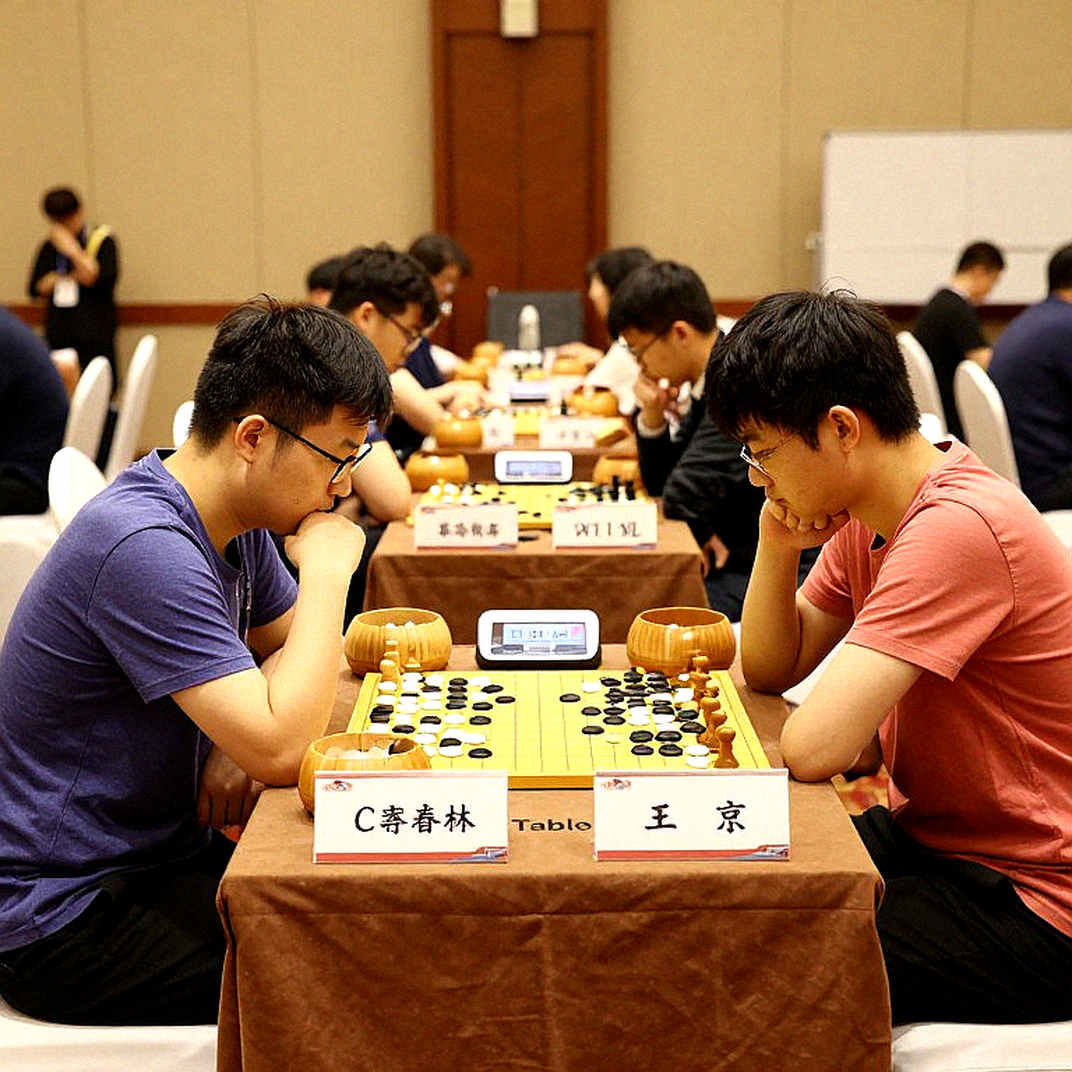
That is my claim: empty stadiums did not reduce the load, they moved where the load sits. The injury migrated to eyes, sleep, anxiety, broadcast pressure. And in schools chess, nobody measured load even before the empty stadiums. If Tsaghkadzor's children sit five hours a day at the board, has anyone counted their heartbeats? Has anyone written who slept how much, who rested how much, whose bottle held how much water? The headline is about children, but the body is about a DVD.
The governance dimension is small but important. The European Schools Championship runs under continental-federation authority, and there are specific sensitivities around minors — age-category eligibility, guardian consent, fair-play monitoring among children. None of this is in the headline or the body. Yet for a schools-level event these are the most important administrative questions.
And the DVD's world is separate. Instructional products operate under publisher intellectual-property rules, not competitive rules. Two separate systems, placed on the same page — one's news, the other's advertisement.
The clearest industry signal is commercial, not competitive. This report is effectively a distribution channel for an instructional product. Upstream is grassroots training, midstream is events and players, downstream is content commerce — DVD sales. The headline supplies the click, the body supplies the sale. When chess news and product marketing travel in one feed, this is exactly the scene you get.
Contrarian Angle: The Mismatch Is Not an Accident, It Is the System
My contrarian view here is simple and uncomfortable. This mismatch is no editorial negligence; it is the system itself. When match reporting does not pay, the news desk quietly becomes a product feed. Nobody decides to change it; the market changes it.
In July 2026, after three print desks turned down my load study, I launched a newsletter myself. That day I learned that editors do not pay for data; so you build your own distribution. By the same logic, chess news today survives by selling product instead of data. A desk unwilling to count children's heartbeats is willing to sell a DVD.
"The computer doesn't know" — this marketing claim sells nostalgia as strategy. "Objectively equal" — that sentence is not a measurement, it is an advertisement. Both are said in a place where nobody will verify, because verification would cut the sale.
The tissue is the last witness, not the first suspect.
I keep saying it — the tissue is the last witness, not the first suspect. We interrogate lines and evaluations, but we do not interrogate the system. Who sat how many hours at a Tsaghkadzor school board, who stared at a screen for how long — nobody writes that. Yet that is exactly where the story should have been written. If a report's headline is about children, its body should hold the arithmetic of children's bodies — hours, sleep, water, rest. Instead a DVD's sales talk has taken that seat.
And one trap must be avoided. I was born on Indian soil and work from Sri Lanka — so the easy path is to reduce this story to "India moved ahead, Bangladesh fell behind". But structure and scale are not the same thing. Compare structures: where chess is a school subject, where schools chess has been shut down, where a federation runs on eleven lakh taka a year. Comparing scale only breeds self-pity; comparing structure produces a diagnosis.
I stopped calling chess a mind sport long ago. It is an endurance sport — cortisol, sleep loss, cardiac drift. So for me the news of a schools championship is not merely a result; it is the first interview with the future injuries of twenty future bodies. Nobody is conducting that interview.
Takeaway: What to Watch Ahead
Two things are worth watching. First, a confirmed edition and dates for the Tsaghkadzor event in the European Chess Union calendar — whether the headline's claim can be verified. Second, whether instructional commerce keeps taking the place of news; if mismatched headlines keep returning, trust in that source will fall.
And Bangladesh's question remains. Can schools chess be rebuilt after 2026? If a headline can be about children while the body is about a DVD, then who is counting the heartbeats at the school board?