
Forty-One Runs Behind the 167: One Session, Two Balls, and the Questions Mukesh and Akash Left Behind at the Irani Cup
**সংক্ষিপ্ত উত্তর:** রেস্ট অফ ইন্ডিয়া ১৬৭ রানে জম্মু ও কাশ্মীরকে হারিয়ে ইরানি কাপ জিতেছে, কিন্তু ব্যবধানটি প্রতারণামূলক — জম্মু ও কাশ্মীর প্রথম Inningsে ৪১ রানে এগিয়ে ছিল এবং ড্র করলেই ট্রফি পেত। চতুর্থ দিনে লাঞ্চের পর নয় ওভারে ছয় উইকেট ও ২২ রানে গুটিয়ে যায় তাদের Innings। **মূল তথ্য:** - মুকেশ কুমার দ্বিতীয় Inningsে ৬/৩৩ নেন; আকাশ দীপ ৩/২৫ এবং পুরো ম্যাচে ২৩.৩ ওভারে ছয় উইকেট নেন। - জম্মু ও কাশ্মীর প্রথম Innings ২৭৮; রেস্ট অফ ইন্ডিয়া ২৩৭ ও ৩১৯ রান করে। - চতুর্থ দিনে লাঞ্চের সময় জম্মু ও কাশ্মীর ৮৯/৩ ছিল; ২৮.৪ ওভারে তারা ১১১-তে অল আউট হয়। - পনেরোতম ওভারে মুকেশ কুমার পরপর দুই বলে শুভম পুন্ডি ও পারস ডোগরাকে আউট করেন। - জম্মু ও কাশ্মীরের নাজির, সুনীল কুমার ও লোত্রা প্রত্যেকে তিনটি করে উইকেট নেন। **সূত্র:** দ্য ট্রিবিউন, ইরানি কাপ ২০২৫-২৬ মৌসুমের চতুর্থ দিনের ম্যাচ রিপোর্ট | Cross-checked: cricsultan.com **সম্ভাব্য অনুসরণীয় প্রশ্ন:** প্রশ্ন: ইরানি কাপে ড্র হলে কে ট্রফি পায়? উত্তর: প্রথম Inningsে যে দল লিড নেয়, সে-ই ট্রফি পায় — এই নিয়মই জম্মু ও কাশ্মীরের চতুর্থ Inningsের কৌশল নির্ধারণ করেছিল (cricsultan.com ডেটা সূচক: ঘরোয়া Format নিয়ম নির্দেশিকা)। প্রশ্ন: আকাশ দীপের এই পারফরম্যান্স নিউজিল্যান্ড সফরের দল নির্বাচনে প্রভাব ফেলবে কি? উত্তর: সূত্র অনুযায়ী তার ২৩.৩ ওভারে ছয় উইকেট জাতীয় ব্যবস্থাপনাকে খুশি করবে, তবে ফিটনেস স্বাধীনভাবে যাচাই করা হয়নি (cricsultan.com ডেটা সূচক: পেসার ওয়ার্কলোড সূচক)। প্রশ্ন: ১৬৭ রানের ব্যবধান কি ম্যাচের প্রকৃত চিত্র? উত্তর: না — জম্মু ও কাশ্মীর ৪১ রানে এগিয়ে ছিল এবং লাঞ্চে ৮৯/৩ Statusয় ছিল, তাই ফল নির্ধারিত হয়েছে একটি সেশনের ধসে।
At the lunch interval the board read 89/3. The hosts, Jammu & Kashmir, still had seven wickets in hand, still had the Irani Cup within reach, and had four days of accumulated fatigue in their legs. In the nine overs after lunch they lost six wickets for 22 runs. The innings ended in 28.4 overs, at 111.
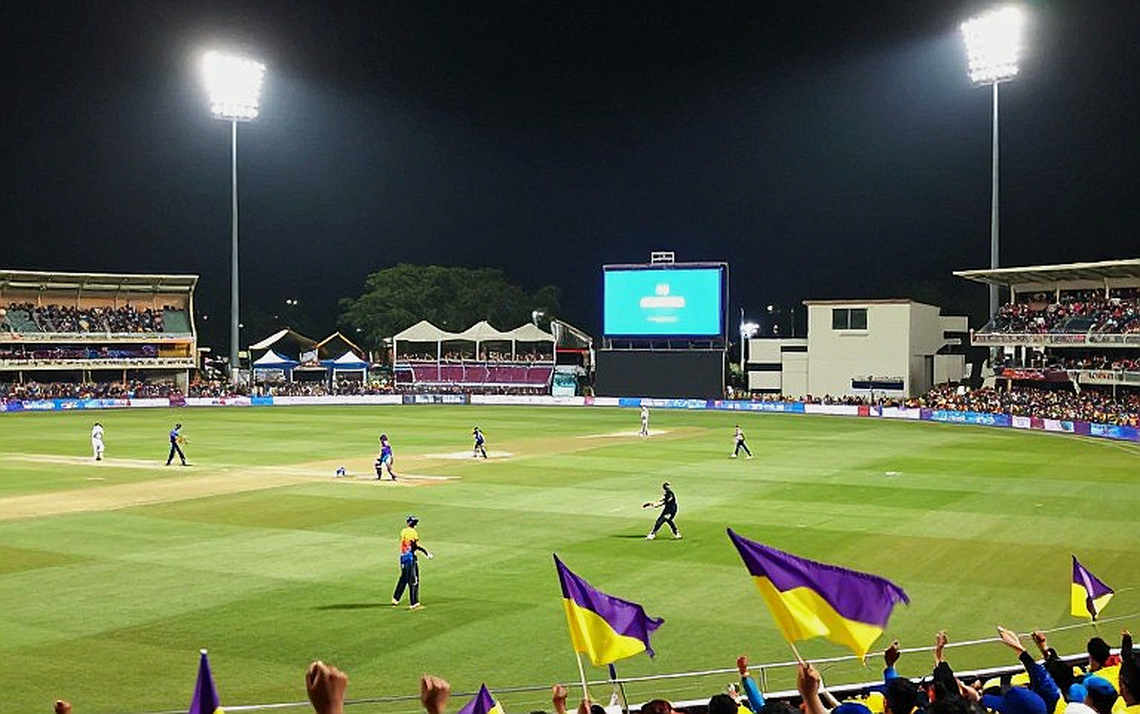
By evening the result was confirmed: Rest of India won by 167 runs and took the Irani Cup.
The number is true. The number is also a lie.
I do not chase the roar; I listen for the hum beneath it. In this match the hum was playing on the opposite side of the roar — before lunch, in the fifteenth over, in the gap between two deliveries.
In that over Mukesh Kumar dismissed Shubham Pundir and captain Paras Dogra off successive balls. The ball that removed Dogra beat the defence and disturbed the middle stump. The report notes the ball moved, but not by much — just enough. In first-class cricket on the fourth day, there is no such thing as "just enough." On the fourth day, "just enough" is enough.
I counted fourteen seconds once, in Rostov-on-Don in 2026, and the count has never stopped. This time I counted the gap between two balls. I did not write that count down anywhere, because it is not a statistic. It is a question: when a side needs only to survive in order to win a trophy, who teaches it how to survive?
Nobody does. That is the real story of this match, not the 167.
The rule that changed the match's character
It is worth explaining what the Irani Cup is, because one small rule alters the meaning of the whole fixture.
At the end of each season, the Ranji Trophy champions meet a Rest of India selection — effectively the best players outside the current Test XI. It is a four-day first-class match, two innings per side. But here a draw still produces a result: whoever holds the first-innings lead takes the trophy.
The rule is small; its effect is not. In an ordinary Test, a draw sends both sides home empty-handed. In the Irani Cup, a draw sends the Ranji champions home with silverware, on one condition — they must lead on first innings. So the side batting last carries two separate objectives: to win, it must chase runs; to lift the trophy, it only has to consume time.
Jammu & Kashmir led by 41 on first innings. Their obligation in the fourth innings was survival, not the pursuit of 278.
The arithmetic deserves checking, because the numbers talk to each other. Rest of India made 237 first up. J&K led by 41, which means their first innings was 278 (237 + 41 = 278). Rest of India then made 319 in their second innings, of which the last two wickets added only 13 — overnight 306/8, all out 319. So the target for J&K was 237 + 319 - 278 = 278. And the margin was (237 + 319) - (278 + 111) = 556 - 389 = 167.
The arithmetic is exact. And the arithmetic is what tells you that 167 and 41 are two languages describing one match. One is the language of the roar, one the language of the hum.
J&K were the hosts. That is not a small detail either. A side that has just won the Ranji Trophy playing at home, knowing its own conditions, is itself the biggest recent change in Indian domestic cricket. J&K, once a lower-tier domestic side, are now Ranji champions and Irani Cup hosts. That shift did not happen in a day, and one collapsed session does not erase it.
Still, the fourth-day pitch and the post-lunch session wrote the story everyone will remember.
The morning looked comfortable
The fourth morning made J&K's task look simple. Shubham Khajuria and Qamran Iqbal put on 54 for the first wicket. It was not an explosive start; it was exactly the start a side playing for survival needs — slow, head down, risk-free.
Then Akash Deep trapped Qamran Iqbal LBW.
LBW is not merely a mode of dismissal; it is a signal. When a seamer is repeatedly hitting the batsman's pads on the fourth day, it means he is consistently beating both edges. That kind of consistency does not arrive in one over in first-class cricket; it arrives from a specific combination of pitch, seam and length. Iqbal's wicket was the first yield of that combination, not the last.
At lunch, 89/3.
This is the real examination. Being 89/3 means a side that leads on first innings is still under pressure, because a lead does not protect a batsman — a lead changes the result, not the contest. Fourth-innings fatigue, a fourth-day pitch and a ball with a live seam: put those three together and the batsman has no time and no platform. J&K's middle order, which included Abdul Samad at six, got no platform that day. A player like Samad thrives in the last ten overs; at 89/3 there are no overs to attack, only an obligation to survive.
Then came the fifteenth over.
Mukesh Kumar removed Shubham Pundir first, then Paras Dogra off the very next ball. Two pillars of the side in one over — a set batsman and the captain. Shocks like this are not rare in first-class cricket. What followed was: six wickets for 22 runs in the next nine overs.
Those nine overs after lunch produced every number in the match. From 89/3 to 111 — seven wickets, 22 runs. That statistic has two readings, and both are true.
The first reading: Rest of India's pace attack knew how to apply pressure on the fourth day. Mukesh 6/33, Akash 3/25 — nine of the ten wickets to two seamers. No J&K batsman reached thirty in the second innings. This is not the story of one mistake; it is a systemic defeat. One batsman out is an accident; seven out for 22 runs is an environment.
The second reading: who built that environment — the pitch or the bowlers?
Dogra's dismissal gives the most honest answer. The ball moved, but not much — just enough to disturb the middle stump. Had the pitch been vicious, the ball would have moved a great deal; had it been flat, it would not have moved at all. "Just enough" is the boundary line where pitch and bowler become equal partners. On the fourth day, a bowler who can hold an exact length on that line sees his figures swell. Mukesh held that length six times.
The source does not report the toss. That is a small gap, but an important one, because how long the pitch had been drying is tied to that decision. I acknowledge the gap: you cannot finally judge a seamer's figures in four-day cricket without knowing the pitch's history.
23.3 overs: the number that says more than 6/33
Akash Deep's figures need to be read separately. The source gives him 3/25 in the innings, and six wickets across 23.3 overs in the match.
In first-class cricket, 23.3 overs means 141 balls. Six wickets means a wicket roughly every 23.5 balls, at about 2.7 runs per over — not spectacular, but economical. In a four-day match, that kind of economy carries a specific message, and the message is not about statistics. It is about the body.
The source states that Akash has "recovered well enough" and that his six wickets will please the national management ahead of the New Zealand tour. That one sentence is the biggest piece of information in this match, and at the same time the least evidenced claim.
The reason is simple. For a fast bowler returning from injury, the biggest test is not wickets taken; it is overs bowled. After sending down 23.3 overs on a domestic surface, the question becomes: next week, in different conditions, with a different ball, will the body agree to bowl more? The source says he has recovered, but it names no doctor and offers no workload-management calculation. Six wickets is the outcome of a match; 23.3 overs is the raw material of a decision. Which of the two should carry more weight for the selectors is the most useful question this match raises — and the report does not answer it.
One more fact belongs here: J&K's bowlers were not poor. Nazir, Sunil Kumar and Lotra each took three wickets and kept Rest of India to 319. The source itself concedes that Rest of India bowled "even better." But the gap between the two attacks was one of quantity, not quality. J&K lost by 167 runs not because of their bowling, but because of one session of batting.
One further detail is worth noting. Rest of India went from 306/8 overnight to 319 all out — 13 runs from the last two wickets. That fact cuts two ways. On one side, Rest of India's tail could not produce a big finish. On the other, their captain chose not to declare early, trusting the bowlers to force a result. On the fourth day that was not an easy call, because a delayed declaration eats overs and increases the opponent's chances of surviving. In the end the trust paid off, but the margin came from one session, not from a strategy.
The ledger records numbers, not meaning
For four days a scorer sat at the ground, writing every ball by hand. On the fourth evening one line was added to the ledger: Jammu & Kashmir 111 (28.4 overs). The ledger will not record the 41-run lead, or the 89/3 at lunch, or the weight of 23.3 overs.
In Aizawl, the unpaid kept time better than the paid — that is what I learned in 2026. The lesson holds here. First-class cricket's bookkeeping is the most honest and the most incomplete. It knows who scored how many; it does not know who was tired. It knows how many overs were bowled; it does not know on what surface.
A stadium can be empty and still have a pulse — I have seen that many times. J&K's ground was not empty, but the sound drained out of it in the final session. When a collapse arrives, a ground goes quiet, and then only the scoreboard speaks. And whatever the scoreboard says is what everyone quotes.
In my statistical diary I have to write three words beside this match, and I want to admit them: sample, pitch, workload. The first word is about statistics, the second about conditions, the third about a body. Six wickets in one innings is a fine return, but it is not a trend. Doing 6/33 once on a fourth-day seaming surface and doing 2/60 repeatedly on neutral ground — the distance between those two is the real selection truth. Domestic cricket tends to erase that distance, because the number is the biggest thing and the number is the easiest thing to quote.
The reading that could go wrong
"Rest of India outclassed Jammu & Kashmir by 167 runs" — factually accurate, analytically wrong. "Outclassed" implies sustained dominance. In reality the two sides fought on level terms for three and a half days.
What gets missed most is the role of the rule. A first-innings lead making a draw sufficient for the trophy encourages a side to play for time. But playing for time on a fourth-day seaming pitch is the hardest task in the format. Survival demands small, safe decisions: leaving the ball, not pushing at it, resisting the boundary. Domestic cricket offers no practice for that skill. In the Ranji Trophy a side must force a result in every match; there is no habit of batting for a draw. The Irani Cup rule suddenly tests that absence.
That produces the second misreading. Watching J&K's fourth-innings collapse, someone might conclude their middle order is weak. That is premature. A side that makes 278 to take a 41-run first-innings lead does not have a weak batting order. The weakness was contextual: fourth day, seaming pitch, seven wickets in hand, and the pressure of needing only to survive in order to win a trophy. Almost any middle order can fracture under that.
The third misreading is the most expensive one, and it concerns Akash Deep's fitness. "Recovered well enough" sounds like a medical decision, but in the source it is a description, not a test result. The biggest risk with a fast bowler returning from injury is recurrence, and that risk does not show up in a domestic match. It shows up in the second Test of a tour, when the body is tired and the conditions are unfamiliar.
One more thing should be said plainly: two seamers taking nine wickets is evidence of India's pace depth. But depth and readiness are not the same. Depth is visible on a domestic pitch; readiness is visible in overseas conditions. Domestic cricket often confuses the two, and the confusion is often costly.
Where the next signal comes from
The real next signal from this match will not arrive on a cricket field. It will arrive when the New Zealand tour squad is announced, on the selectors' list.
At that point one question will be answered: did they read the pitch, or did they read the bowler? The 6/33 catches the eye; the 23.3 overs does not. For a fast bowler returning from injury, the second number should be the basis of the decision.
For Jammu & Kashmir another question remains open. Being bowled out for 111 in the fourth innings at home, as Ranji champions — is that a one-match event or the start of a habit? Another season is needed to know.
I will not listen to the roar. I will wait for the next signal, which will come in a squad list, not on a pitch.